Your cart is currently empty!
How Much Protein Do You Really Need? A Simple Guide
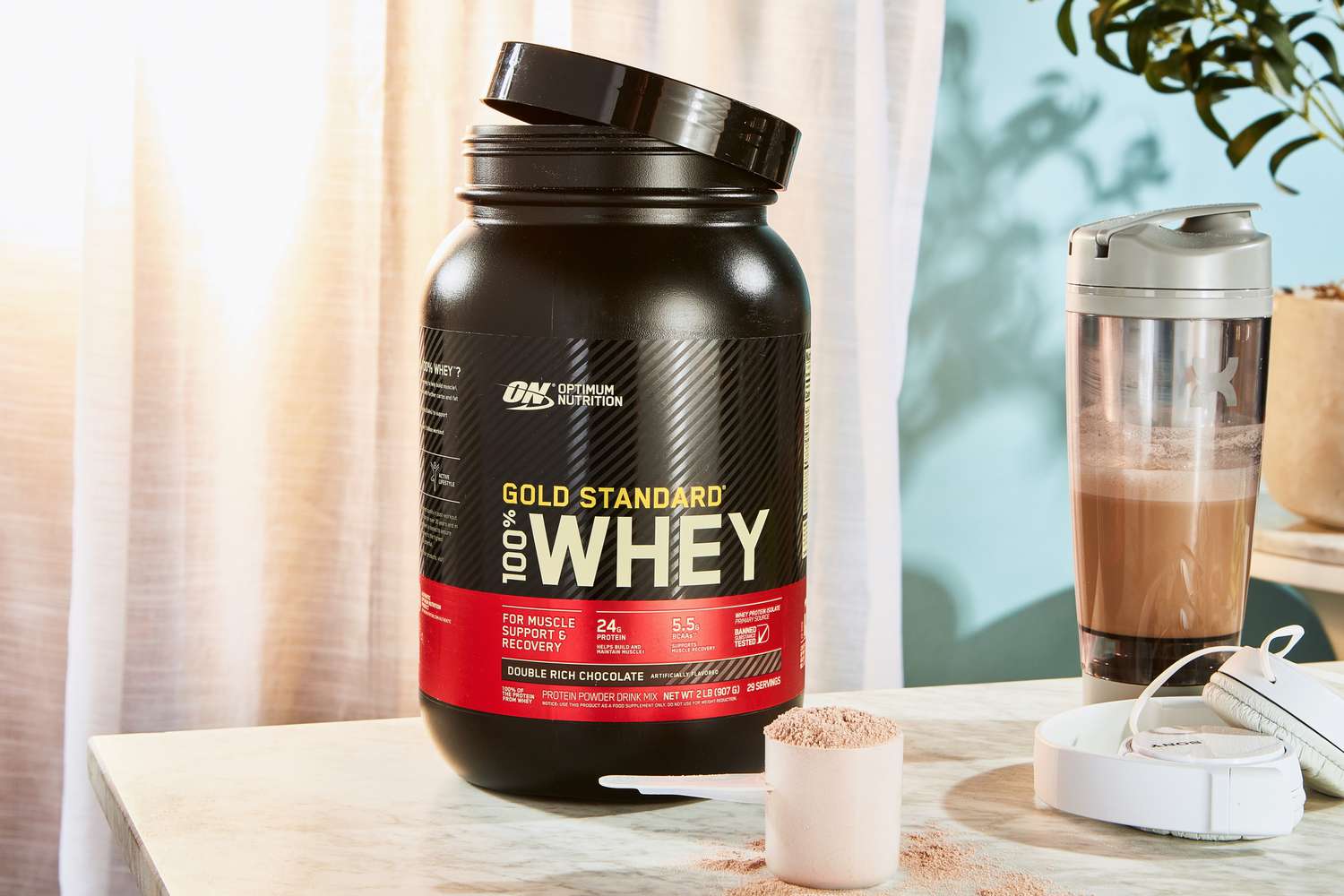
Intro: When it comes to building muscle, losing fat, or simply staying healthy, protein is king. But the
question of “how much protein should I take?” can be confusing, with advice ranging from “a little bit” to
“as much as you can.”
Let’s cut through the noise and provide a simple, science-backed guide to figuring out your ideal daily
protein intake based on your goals and lifestyle.
The Golden Rule: The Bodyweight Formula The most common and effective way to calculate your
protein needs is based on your body weight. The general recommendation is a range, as your needs
depend on your activity level and goals.
● For the average, sedentary adult: The recommended daily allowance (RDA) is 0.8 grams of
protein per kilogram of body weight (or about 0.36 grams per pound). This is the minimum to
prevent a deficiency.
● For active individuals and athletes: Your needs are significantly higher. A good starting point is
1.6 to 2.2 grams of protein per kilogram of body weight (or about 0.7 to 1.0 grams per
pound).
○ Muscle Building: Aim for the higher end of this range (1.8-2.2 g/kg or 0.8-1.0 g/lb) to
support muscle repair and growth.
○ Fat Loss: A higher protein intake can help you feel full and preserve muscle mass while
in a calorie deficit. Aim for the higher end of the range here as well.
Example Calculation: Let’s say you weigh 75 kg (about 165 lbs) and are an active person looking to
build muscle.
● Using the formula: 75 kg * 2.0 g = 150 grams of protein per day.
Why is Protein So Important? Protein is made up of amino acids, which are the building blocks of
virtually everything in your body, from muscles and bones to enzymes and hormones. Getting enough
protein is crucial for:
1. Muscle Repair & Growth: Your muscles are broken down during exercise and require protein to
rebuild stronger.
2. Satiety: Protein helps you feel full and satisfied, making it easier to manage your appetite.
3. Metabolic Health: Your body burns more calories to digest protein than it does to digest carbs or
fats.
Can You Have Too Much Protein? For healthy individuals, consuming a high amount of protein is
generally safe. Your body is efficient at processing it. The key is to get your protein from a variety of
sources and to stay hydrated.
Conclusion: While every person is different, using a bodyweight-based formula is the simplest and most
effective way to ensure you’re getting the protein you need to support your fitness and health goals.
Remember to distribute your protein intake throughout the day to maximize absorption and muscle
synthesis.
Leave a Reply